Pink Tinge: A Handwritten Font for Creative Makers
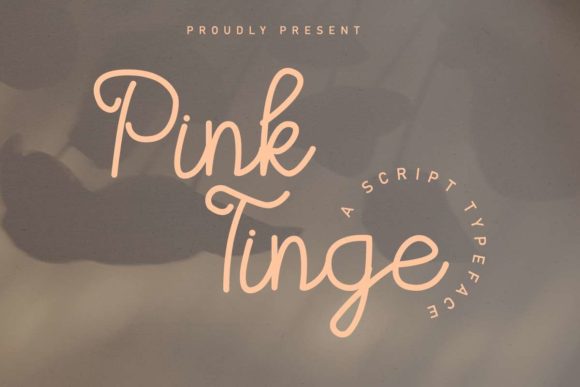
I was designing a set of candle labels one afternoon, trying to find the perfect font that would match the soft, romantic vibe of my lavender-scented collection. That’s when I stumbled upon Pink Tinge—a flowing handwritten font with an elegant touch that felt just right. It had this timeless charm, like it was written by someone who took their time and cared about every stroke.
Pink Tinge isn’t just another script font; it carries a distinct personality that feels both personal and professional. Its gentle curves and slightly uneven lines give it that handmade feel, which is exactly what I needed for my small batch of candles. The font seemed to whisper “handcrafted” without needing any extra text to explain it.
Bringing Pink Tinge to Life on Handmade Products
Since discovering Pink Tinge, I’ve used it across a variety of projects. From greeting cards to wedding invitations, it adds a touch of sophistication that elevates any design. I recently created a set of farmhouse-style signs using this font, and they instantly felt more inviting and warm.
One of my favorite uses has been for boutique packaging. I paired Pink Tinge with a clean sans serif font for product names and descriptions, creating a balance between elegance and readability. This combination helped my shop stand out on social media and in local markets.
I also use Pink Tinge for printable wall art. When designing these, I make sure to test how the font looks at different sizes and distances. It works beautifully on larger prints but still maintains its charm on smaller stickers or tags.
Choosing the Right Use for Pink Tinge
Pink Tinge is ideal for short phrases, names, titles, and decorative wording. It shines as a display font rather than for long blocks of text. I’ve found it especially effective for product labels, seasonal tags, and digital download previews.
For example, I used it on birthday invitations with a vintage aesthetic, and it gave the whole design a nostalgic yet fresh look. On the other hand, I wouldn’t recommend using it for body text in printed cards or packaging—it’s better suited for headings, logos, or accents.
When working with cutting machines like Cricut or Silhouette, I always check how the font renders at small sizes. Pink Tinge holds up well, but I sometimes adjust spacing or use alternates to ensure it cuts cleanly and looks sharp on stickers or tags.
Font Pairing and Design Tips
I often pair Pink Tinge with a clean sans serif font for a modern contrast. This combination works great for planner pages, where the handwritten font adds a personal touch while the sans serif keeps things organized and easy to read.
For more formal designs, like wedding stationery, I might use a simple serif font alongside Pink Tinge. The result feels classic and refined, which is perfect for special occasions.
If you’re using Pink Tinge for commercial purposes, be sure to check the included styles, ligatures, and file formats. I always verify that the font supports multilingual characters if I’m designing for a broader audience. Also, confirming the commercial license is essential before selling any products, templates, or printables featuring the font.
Crafting with Confidence
What I love most about Pink Tinge is how it makes my creative projects feel more intentional. Whether I’m preparing mockups for digital downloads or testing sticker sheets for my shop, it brings a sense of warmth and authenticity to everything I create.
I’ve used it on holiday tags, tote bags, and even mug designs. Each time, it helps convey a story—whether it’s about a cozy night in or a celebration of love. And that’s the real magic of a font like Pink Tinge: it doesn’t just add style; it adds emotion.
As a maker, I know the importance of choosing the right design elements. Pink Tinge has become a go-to for me because it speaks to the heart of what I do—crafting with care, creativity, and a touch of elegance.