Dulah: A Handwritten Font That Breathes Life into Branding
I was staring at a blank brand board one afternoon, the kind that feels like it’s waiting for a spark to ignite. My client had just shared their vision for a new artisanal skincare line — soft, natural, and deeply personal. They wanted something that felt handcrafted, not mass-produced. That’s when I stumbled upon Dulah, a font that looked like it had been drawn with care on a notebook page. It wasn’t just a typeface; it was a story waiting to be told.
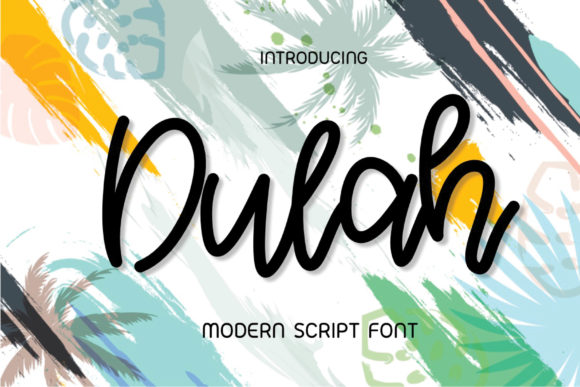
Dulah is the result of a stunning pairing between a brush pen and pencil, giving it an endearing and authentic feel. The strokes are fluid yet precise, with subtle variations that mimic the imperfections of real handwriting. It has a warm, inviting personality — the kind that makes you want to lean in and read every word. Its design appeal lies in its ability to blend elegance with approachability, making it perfect for projects that need a touch of humanity.
From Mockup to Final Brand Materials
I started by testing Dulah on a logo draft. The first iteration was a simple circle with the brand name inside. The moment I applied Dulah, the piece felt more alive. It didn’t scream for attention but instead whispered it, which perfectly aligned with the client’s desire for a gentle, organic brand voice.
The next step was applying it to packaging mockups. I used it for product labels, where it added a sense of craftsmanship. The handwritten quality of Dulah made the labels feel like they were created by someone who truly cared about the product. It worked equally well on social media graphics — think Instagram posts or Pinterest pins — where it helped draw the eye without overwhelming the content.
For printed marketing materials, I paired Dulah with a clean sans-serif font for body text. This combination allowed the brand message to remain legible while still feeling unique. On a business card, the font’s delicate curves gave it a personal touch, making each card feel like a meaningful keepsake.
Where Dulah Shines in Design
Dulah works best as a display font or headline font. It’s not meant for long paragraphs, but it shines in short-form text — logos, taglines, quotes, and call-to-action buttons. When used in a hero section of a website, it adds visual interest without distracting from the main message.
In editorial design, I found that using Dulah for section headers or pull quotes brought a fresh energy to the layout. It also stood out beautifully on posters and flyers, especially when paired with a minimalist background. The font’s character made it ideal for creative studios, boutique shops, or any brand looking to stand out with a personal touch.
One thing I noticed was how well it translated to digital templates. Whether it was a merchandise mockup or a product label, Dulah maintained its charm across different mediums. It’s versatile enough to work in both print and digital formats, which is always a bonus for a designer working on multiple deliverables.
Design Observations and Practical Advice
When I tested Dulah on a shop sign, I realized how important contrast was. It needed a strong background to ensure readability. I opted for a light gray backdrop, which made the font pop without being too harsh. Similarly, on a label sticker, I used a subtle texture to enhance the handwritten feel, which added depth to the overall design.
Font pairing was another consideration. I experimented with combining Dulah with a serif font for a more traditional look or a modern sans-serif for a cleaner aesthetic. Both combinations worked well, depending on the project’s tone. For a more contemporary feel, I even tried layering it with a geometric sans-serif, which gave the design a dynamic edge.
Before committing to a full brand system, I recommend testing the font in various contexts. Does it work on a homepage header? How does it look in small sizes on mobile screens? Is it readable when printed in black and white? These are all practical questions that can help determine if Dulah is the right fit for your project.
Also, checking the included styles, alternates, ligatures, and weights is essential. While Dulah is primarily a handwritten font, having access to different weights or alternate characters can add flexibility to your designs. If you’re planning to use it commercially, ensuring that the font license covers your intended use is crucial.
Dulah is available through Script Amp as part of their Fonts collection. It’s a premium font that offers great value for designers looking to inject authenticity into their branding. Whether you're creating a visual identity for a small café or a handmade shop, this font has the potential to elevate your design work in meaningful ways.
In the end, the client loved how Dulah captured the essence of their brand. It wasn’t just a font — it was a reflection of their values, their creativity, and their connection to the craft. And that, I think, is what makes a font truly special.